Energy Saving in Wireless Sensor Networks
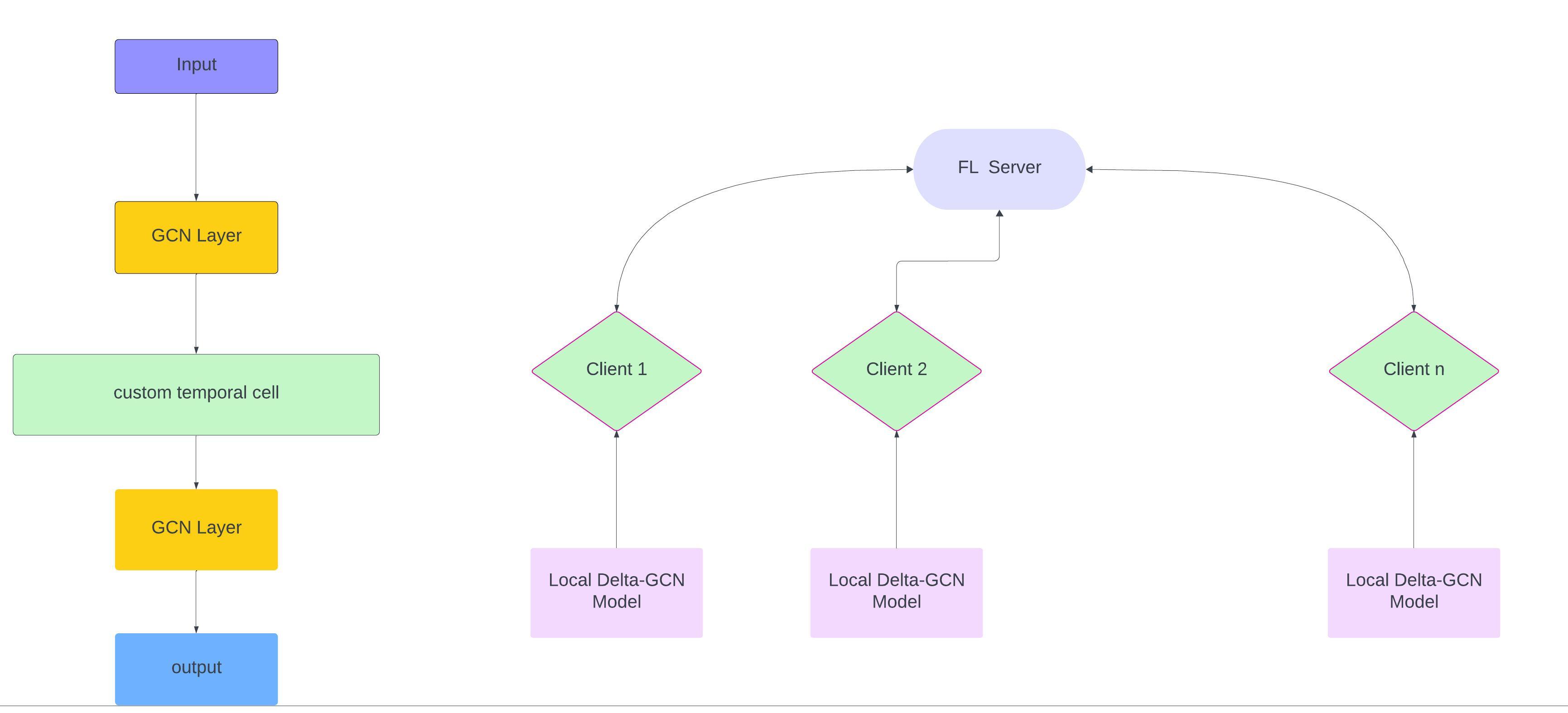
This project focused on addressing energy consumption challenges in Wireless Sensor Networks (WSNs) and IoT environments by integrating advanced Machine Learning (ML) and Deep Learning (DL) solutions. My contributions included:
Research and Review: Conducted a thorough study of existing energy-efficient protocols and frameworks in WSNs, including duty-cycling, clustering, and sleep/wakeup scheduling techniques.
Model Design: Designed a custom ML/DL architecture tailored to reduce sensor energy usage while maintaining data integrity. I utilized frameworks such as TensorFlow and PyTorch for this purpose.
Implementation and Debugging: Developed and debugged the model code, ensuring compatibility with sensor network datasets. This involved preprocessing temporal and spatial data and optimizing the model for scalability.
Training and Deployment: Trained the model on real-world sensor data, analyzing its performance to fine-tune hyperparameters. Deployed the model in a simulated WSN environment to evaluate energy savings.
Documentation and Publication: Authored a research paper summarizing the findings and a detailed thesis highlighting the project’s technical and theoretical contributions.
The project demonstrated the potential of ML/DL technologies to enhance WSN sustainability by extending sensor lifespan, reducing maintenance costs, and ensuring reliable data collection.